How CNC Machining is Transforming the Production of Medical Plastics
The Importance of Medical Plastics in Healthcare
Overview of Medical Grade Plastics
Medical grade plastics deliver the durability, chemical resistance, and versatility that healthcare demands. Manufacturers select these materials for their consistent performance under strict conditions. Medical plastics machining starts with stock shapes of thermoplastic polymers that meet precise purity levels. Engineers rely on these plastics because they withstand repeated sterilization cycles without degrading. Production teams machine components directly from high-grade stock to avoid contamination risks common in other fabrication routes. The process supports everything from surgical tools to diagnostic housings. Medical plastics manufacturers continue to refine formulations that balance strength with flexibility. This foundation allows medical device companies to produce reliable parts that integrate seamlessly into complex assemblies.
Types of Medical Plastics Used in Devices
Common choices include PEEK, polycarbonate, and acetal because each offers distinct mechanical properties suited to specific applications. PEEK excels in load-bearing implants while polycarbonate provides clarity for fluid-handling components. Medical plastics machining handles these thermoplastics efficiently, producing intricate features without the waste associated with casting. Manufacturers often start with extruded stock to create custom profiles that reduce machining time. Devices such as catheters, orthopedic instruments, and imaging enclosures all depend on these materials. Medical device teams select polymers based on required strength, temperature resistance, and compatibility with sterilization methods. CNC operations maintain tight control over surface finishes that prevent bacterial adhesion on critical surfaces.
Role of Biocompatibility in Medical Applications
Biocompatibility determines whether a plastic can contact tissue or bodily fluids without triggering adverse reactions. Medical plastics machining preserves this property by avoiding additives that might leach during use. Processors test machined parts for cytotoxicity and hemocompatibility before release. High performance plastics such as PPSU and PEI routinely pass these evaluations because their molecular structures resist degradation. Manufacturers document every step from stock selection through final inspection to satisfy traceability requirements. Biocompatible thermoplastics enable long-term implants and short-term surgical aids alike. Engineers optimize machining parameters to prevent heat buildup that could alter surface chemistry and compromise performance in vivo.
CNC Machining: A Game Changer in Medical Plastics Production
Advantages of CNC Machining Over Traditional Methods
CNC machining removes material with computer-controlled precision that traditional methods rarely match. Medical plastics manufacturers achieve complex geometries in a single setup rather than multiple secondary operations. The approach eliminates tooling lead times required for injection molding, letting teams iterate designs rapidly. Machined parts exhibit superior dimensional consistency across production runs. Medical device companies value the ability to produce low volumes economically while maintaining the same quality standards applied to high-volume runs. Surface finishes reach levels that support direct sterilization without additional polishing. CNC also handles high performance plastics that resist flow in molding processes.
The Role of High Performance Plastics in CNC Machining
High performance plastics such as PEEK and PEI withstand the elevated temperatures and mechanical stresses encountered during machining. These polymers maintain structural integrity when cutters remove stock at aggressive rates. Medical plastics machining benefits because these materials resist warping and maintain tight tolerances after sterilization. Manufacturers source certified stock shapes that already meet biocompatibility criteria. Engineers adjust feed rates and tool geometries to prevent delamination in reinforced grades. The resulting components serve in demanding environments including autoclaves and imaging equipment. High performance plastics expand design possibilities for medical devices that must endure repeated use.
How CNC Machining Achieves Near Net Shapes
CNC programs start from CAD models and remove only the necessary material to reach final dimensions. Medical plastics machining produces near net shapes that minimize waste and reduce subsequent finishing. Operators fixture extruded stock securely to prevent movement during aggressive cuts. The method delivers parts with wall thicknesses and internal features impossible through many conventional routes. Manufacturers verify each near net shape against specifications before sterilization. This efficiency shortens lead times for custom medical device components. CNC also accommodates design changes without new tooling investment.
Key Processes in Medical Plastics Machining
Understanding the CNC Machining Process
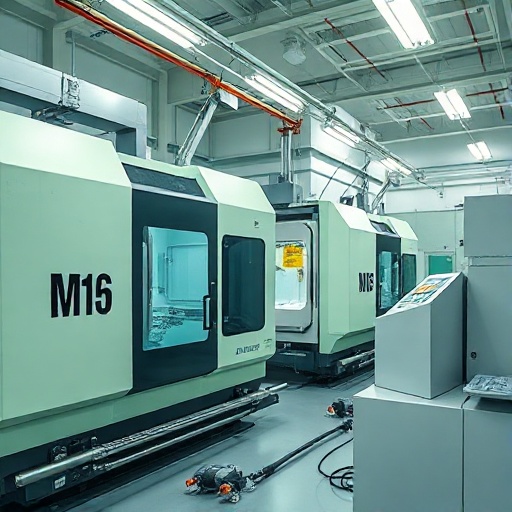
The CNC machining process begins with material selection and proceeds through roughing, finishing, and inspection stages. Medical plastics manufacturers load thermoplastic stock into multi-axis centers that execute programmed tool paths. Coolant strategies prevent localized heating that could affect polymer properties. Operators monitor spindle loads to maintain surface integrity on biocompatible parts. Medical plastics machining routinely produces features such as threads, undercuts, and precision bores in one cycle. Final inspection confirms dimensions and finishes meet medical device requirements. Documentation tracks every parameter for regulatory compliance.
Comparing CNC Machining to Injection Molding
Injection molding requires expensive molds and long setup times that CNC avoids entirely. Medical plastics machining delivers functional prototypes in days rather than weeks. Parts from CNC exhibit no knit lines or flow marks that sometimes appear in molded components. Manufacturers choose machining for complex internal geometries or when production volumes do not justify tooling costs. Both methods produce medical grade plastics, yet CNC offers greater flexibility for design modifications. Sterilization compatibility remains consistent across both routes when proper materials are selected.
Insights into Extruded Plastics and Their Applications
Extruded plastics provide uniform cross-sections that serve as ideal starting stock for medical plastics machining. Rods, sheets, and tubes reduce material removal and improve yield. Manufacturers machine these shapes into custom connectors, guides, and housings used across medical devices. Extruded stock maintains consistent material properties that support reliable performance after sterilization. Medical device teams specify extruded thermoplastics when dimensional stability matters most. CNC operations refine these profiles into finished components with minimal secondary work.
Quality Standards and Compliance in Medical Plastics Manufacturing
FDA Regulations for Medical Device Plastics
FDA regulations require documented material traceability and process validation for any plastic contacting patients. Medical plastics machining facilities maintain ISO 13485 certification to demonstrate control over every operation. Manufacturers submit material certifications with each batch of stock used in production. Process parameters receive validation to ensure consistent output that meets device master records. FDA audits focus on sterilization compatibility and biocompatibility data for machined parts. Compliance protects both patients and manufacturers from liability.
Ensuring Tolerances and Specifications in Production
Tolerances in medical device components often reach ±0.025 mm. Medical plastics machining achieves these specs through calibrated equipment and controlled environments. Manufacturers verify critical dimensions at multiple stages using CMMs and optical comparators. Stock material certifications confirm that base polymers meet required mechanical values before machining begins. Engineers adjust programs to compensate for material spring-back common in thermoplastics. Consistent tolerances reduce assembly issues downstream and support reliable device function.
Quality Assurance in CNC Machined Medical Plastics
Quality assurance programs include incoming inspection of stock, in-process checks, and final verification. Medical plastics manufacturers document every tool change and parameter adjustment. CNC machined parts undergo visual, dimensional, and functional testing before sterilization packaging. Nonconforming material receives immediate quarantine and root-cause analysis. These protocols ensure that medical device components meet both customer and regulatory expectations. Traceability records link each finished part to its originating stock lot.
The Future of Medical Plastics Machining
Trends in Medical Device Manufacturing
Medical device manufacturing increasingly favors CNC for its speed and precision. Demand grows for patient-specific implants produced from medical grade thermoplastics. Manufacturers adopt five-axis centers to create organic shapes that improve anatomical fit. Medical plastics machining supports rapid response to emerging clinical needs without long tooling cycles. Digital thread integration connects design software directly to production equipment. These trends accelerate innovation while maintaining strict quality standards.
Innovations in Polymer Processing
Polymer processing advances include new high performance grades optimized for machining. Additives improve chip evacuation and reduce tool wear during medical plastics machining. Manufacturers experiment with hybrid approaches that combine additive deposition with subtractive finishing. These methods produce near net shapes faster while preserving biocompatibility. Sterilization resistance continues to improve through refined polymer chemistry. Medical device teams gain more options for lightweight, durable components.
The Role of Companies like Genesis Medical Plastics and Ensinger
Genesis Medical Plastics and Ensinger supply certified stock and finished components that meet rigorous medical requirements. Both organizations invest in CNC capabilities tailored to medical plastics machining. They maintain extensive material portfolios that include PEEK, PEI, and PPSU in multiple forms. Their expertise helps device manufacturers navigate material selection and process validation. Ensinger and Genesis Medical Plastics also provide technical support for achieving required tolerances and sterilization compatibility. Their contributions strengthen the entire supply chain for medical devices.
See Also
- The Role of Injection Molding in Modern Medical Plastics Manufacturing
- The Future of Medical Devices Rests on Advanced Plastics Machining
- Revolutionizing Healthcare with Precision Medical Plastics Machining
- Unlocking the Potential of High Performance Plastics in Healthcare
- From Concept to Creation Understanding Medical Plastics Machining Processes